Phasing Out Synthetic Dyes
A recent announcement by the Food and Drug Administration (FDA) has sent shockwaves through the food industry, as officials stated that two petroleum-based synthetic dyes would be phased out in the coming weeks, and others by the end of 2026.
- These synthetic dyes are found in dozens of foods, including cereals, candy, snacks, and beverages.
- The FDA plans to authorise four new natural color additives in the coming weeks to help companies find alternatives quickly.
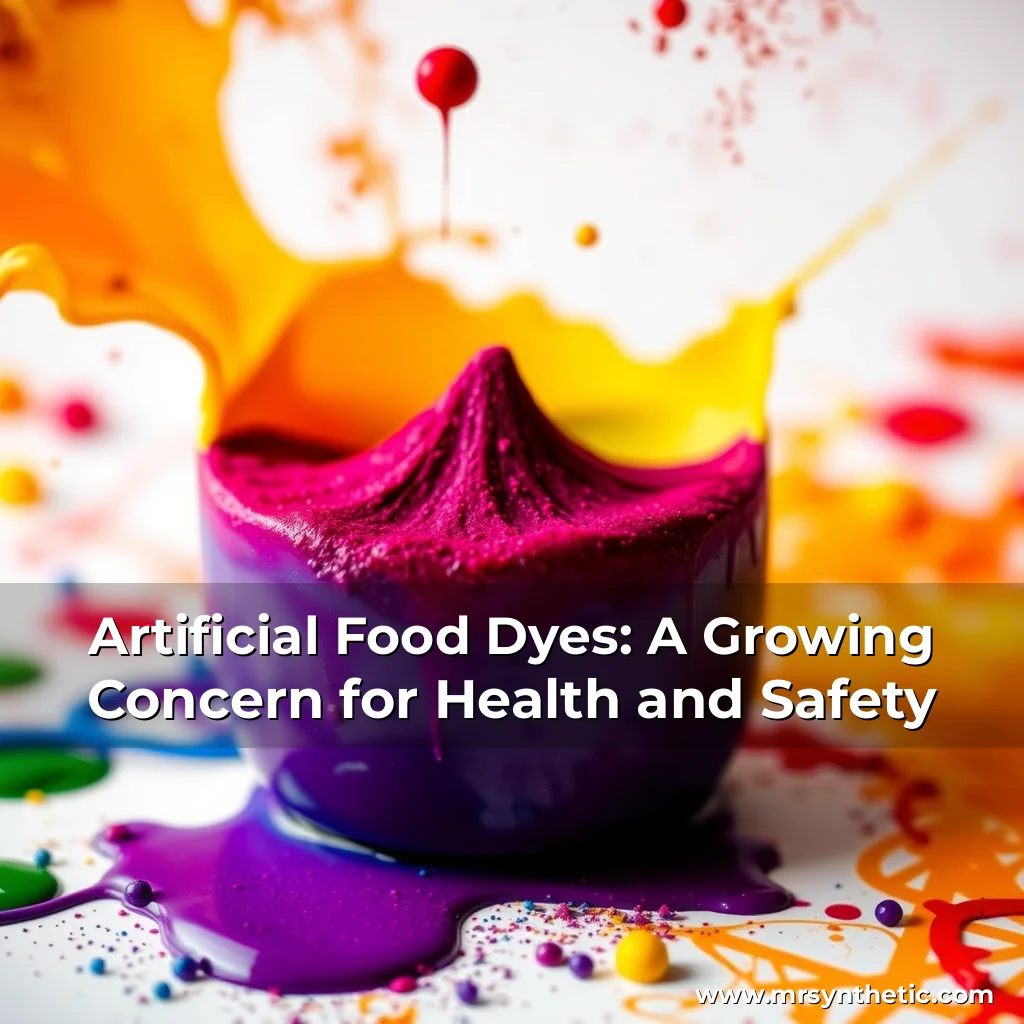
The FDA’s decision is a significant step towards improving the health and safety of Americans, particularly children. According to experts, synthetic food dyes have been linked to neurological problems in some children, and the agency’s move to phase out these dyes is a long-overdue one. “Americans don’t know what they’re eating,” said Kennedy, the health secretary, at a news conference. This statement highlights the need for greater transparency and accountability in the food industry, particularly when it comes to the use of artificial ingredients. The use of synthetic food dyes is widespread, with most artificially coloured foods made with these chemicals. According to the Center for Science in the Public Interest (CSPI), synthetic food dyes are found in dozens of popular foods, including M&M’s, Gatorade, Kool-Aid, and Skittles.
| Food | Ingredients |
|---|---|
| M&M’s | FD&C Red No 40, FD&C Yellow No 5 |
| Gatorade | FD&C Yellow No 5, FD&C Blue No 1 |
| Kool-Aid | FD&C Red No 40, FD&C Yellow No 6 |
| Skittles | FD&C Red No 40, FD&C Yellow No 6 |
The FDA plans to revoke authorisation for food dyes Red No 2 and Orange B “within the coming months”, according to the Department of Health and Human Services. Six remaining synthetic dyes – FD&C Green No 3; FD&C Red No 40; FD&C Yellow No 5; FD&C Yellow No 6; FD&C Blue No 1; and FD&C Blue No 2 – will be removed from the food supply by the end of next year.
“The only purpose of artificial food dyes is to’make food companies money’,” said Dr Peter Lurie, a former FDA official and the president of CSPI. “Food dyes help make ultra-processed foods more attractive, especially to children, often by masking the absence of a colorful ingredient, like fruit.”
“We don’t need synthetic dyes in the food supply, and no one will be harmed by their absence,” said Dr Lurie. Companies have found ways to eliminate many of the dyes in other countries, including Britain and New Zealand. For example, in Canada, Kellogg uses natural food dyes like carrot and watermelon juice to colour Froot Loops cereal, despite using artificial dyes in the US.
- Found in dozens of foods, including cereals, candy, snacks, and beverages.
- Linked to neurological problems in some children.
- Associated with cancer and other diseases in animal studies.
Highlights of the FDA’s Decision
- Two petroleum-based synthetic dyes will be phased out in the coming weeks.
- Others will be removed from the food supply by the end of 2026.
- The FDA plans to authorise four new natural color additives.
In recent months, Kennedy’s food-dye ban has found momentum in several state legislatures. West Virginia banned synthetic dyes and preservatives in food last month, while similar bills have been introduced in other states. “Enough questions have been raised about their safety to justify getting rid of them, especially because it’s no big deal to do so,” said Ms Nestle.