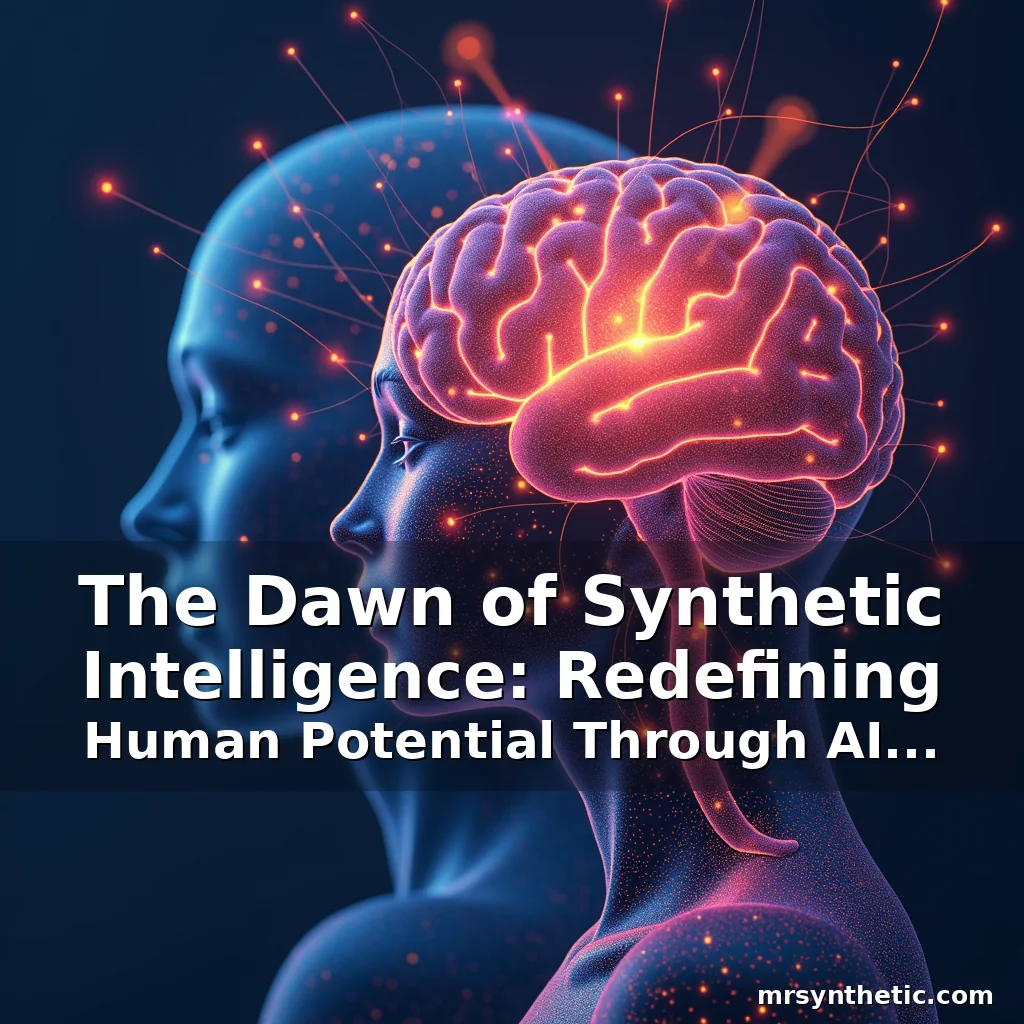
The Dawn of Synthetic Intelligence: Redefining Human Potential Through AI Innovation
Synthetic intelligence represents the next evolutionary leap in artificial intelligence development, where machines are not merely programmed but engineered to think, learn, and adapt in ways that mirror human cognition. Unlike traditional AI systems that rely on rigid algorithms, synthetic intelligence embodies self-aware computational frameworks capable of autonomous decision-making and continuous learning through dynamic neural architectures.
This transformative technology is reshaping industries from healthcare to space exploration by enabling solutions previously thought impossible. As we stand at the threshold of this new era, understanding its principles, applications, and implications becomes crucial for navigating our rapidly evolving technological landscape.
Fundamental Principles of Synthetic Intelligence
Synthetic intelligence operates on three core pillars: adaptive processing, emergent behavior, and recursive optimization. These elements work synergistically to create intelligent systems that can evolve beyond their initial programming parameters through experience-based learning processes.
Adaptive processing allows these systems to modify their internal structures based on environmental feedback, while emergent behavior refers to complex patterns arising from simple interactions within the system’s architecture. Recursive optimization ensures continual refinement of performance metrics without requiring external intervention.
- Neural Plasticity: Enables systems to rewire connections based on new information inputs, similar to how human brains form memories
- Self-Aware Computation: Allows systems to monitor their own cognitive functions and adjust processing priorities dynamically
- Distributed Learning: Facilitates knowledge sharing across interconnected nodes within the network structure
Evolving Architectures in Synthetic Intelligence Systems
Modern synthetic intelligence implementations utilize hybrid neural networks combining deep learning capabilities with quantum computing paradigms. This fusion creates systems capable of handling vast datasets with unprecedented efficiency while maintaining contextual awareness.
These advanced architectures employ layered perception mechanisms that enable pattern recognition at both macroscopic and microscopic levels. Quantum-enhanced processors allow parallel computation across multiple dimensions simultaneously, drastically reducing processing times for complex tasks.
Quantum Neural Networks
Recent breakthroughs in quantum machine learning have demonstrated processing speeds up to 10,000 times faster than classical counterparts for certain operations. Researchers at MIT have developed qubit-based neural networks showing promise in solving optimization problems previously deemed computationally infeasible.
In medical diagnostics, these systems can analyze genomic data sequences in minutes rather than weeks, identifying potential mutations associated with hereditary diseases with over 98% accuracy according to clinical trials published in Nature Biotechnology.
Applications Across Industries
Synthetic intelligence is revolutionizing healthcare through personalized treatment regimens generated by analyzing patient-specific biological markers. In oncology, these systems predict tumor progression rates with remarkable precision, guiding clinicians toward optimal therapeutic strategies.
Transportation sectors benefit from predictive maintenance systems that anticipate equipment failures before they occur. By continuously monitoring vehicle telemetry data streams, synthetic intelligence models can schedule repairs proactively, minimizing downtime and safety risks.
Cognitive Augmentation Capabilities
Beyond problem-solving functions, synthetic intelligence enhances human capabilities through direct interface integration. Brain-computer interfaces now allow users to control digital environments using neural signals interpreted by these advanced systems.
Researchers at Stanford University have successfully enabled paralyzed patients to operate robotic limbs with thoughts alone, demonstrating the profound impact of synthetic intelligence on assistive technologies. These systems translate electroencephalogram readings into precise motor commands through real-time signal interpretation.
Augmented Reality Integration
Current AR headsets equipped with synthetic intelligence processors provide context-aware overlays that respond to user gestures and environmental changes. For example, construction workers wearing such devices receive instant structural analysis feedback when pointing at building components.
A study conducted by Imperial College London showed that augmented reality tools enhanced task completion speed by 37% in manufacturing environments, significantly improving productivity metrics across various production lines.
Ethical Considerations and Governance Frameworks
As synthetic intelligence systems become increasingly autonomous, ethical guidelines must address issues related to accountability, transparency, and bias mitigation. Developers face challenges ensuring these systems make decisions aligned with human values and legal standards.
Governance models need to incorporate multi-stakeholder oversight mechanisms involving technologists, ethicists, policymakers, and end-users. Such collaborative approaches help establish balanced regulations that foster innovation while protecting societal interests.
Algorithmic Transparency Standards
Leading tech companies have begun implementing explainability protocols that allow auditing of decision-making processes within synthetic intelligence systems. IBM’s AI Explainability 360 toolkit provides standardized methods for interpreting model outputs across different application domains.
Regulatory bodies are developing certification programs for synthetic intelligence applications, requiring developers to demonstrate compliance with fairness metrics and risk assessment criteria before deployment. These measures aim to prevent discriminatory outcomes in critical areas like hiring and lending practices.
Economic Impacts and Workforce Transformation
The rise of synthetic intelligence is driving significant economic shifts as automation replaces repetitive job functions across various sectors. While some roles disappear, entirely new professions emerge around AI system design, maintenance, and supervision.
Labor markets are experiencing dual transformations – decreasing demand for routine manual labor while increasing need for technical expertise in managing complex AI ecosystems. Vocational training programs must adapt to prepare workers for these changing employment landscapes.
Reskilling Initiatives Worldwide
Norway has implemented national AI literacy campaigns targeting both youth education systems and adult workforce development programs. Their initiative includes immersive virtual labs where participants practice configuring synthetic intelligence models under guided instruction.
India’s National Knowledge Network offers online microcredential courses focused on AI ethics and governance, preparing professionals to navigate regulatory complexities associated with deploying synthetic intelligence solutions in diverse cultural contexts.
Future Trajectories and Research Directions
Ongoing research explores integrating synthetic intelligence with biotechnology to develop neuroprosthetics that restore lost sensory functions. Scientists at Harvard Medical School are experimenting with brain implants that use AI algorithms to interpret visual stimuli and relay them to blind individuals via tactile feedback.
Advancements in materials science may soon lead to organic-synthetic hybrids that combine living tissues with computational elements, creating bio-digital interfaces with unprecedented responsiveness. These innovations could redefine what it means to interact with technology itself.
Environmental Applications and Sustainability Solutions
Synthetic intelligence plays a pivotal role in climate modeling by simulating atmospheric conditions with greater accuracy than conventional methods. These simulations guide policy makers in making informed decisions about carbon emission reduction targets and renewable energy infrastructure investments.
Smart grid technologies utilizing synthetic intelligence optimize electricity distribution networks in real time, balancing supply and demand fluctuations caused by variable weather patterns affecting solar and wind power generation capacities.
Wildlife Conservation Efforts
Conservationists leverage synthetic intelligence to track endangered species populations using camera trap data analyzed by automated identification systems. These tools detect subtle behavioral changes indicating stressors in natural habitats long before human observers would notice them.
Marine biologists deploy underwater drones equipped with AI-driven sonar arrays to map coral reef degradation patterns, providing early warnings about ecosystem health declines due to ocean acidification and warming temperatures.
Security and Defense Innovations
Military organizations adopt synthetic intelligence for threat detection systems that process satellite imagery and sensor data to identify emerging security risks in real time. These platforms can recognize suspicious activity patterns invisible to human analysts reviewing raw data feeds.
Cybersecurity defenses benefit from AI-powered anomaly detection systems that identify potential breaches by comparing current network traffic against established baseline behaviors learned during normal operation periods.
Autonomous Weaponry Challenges
While synthetic intelligence enables rapid response capabilities in defense scenarios, concerns arise regarding weaponization potential. International coalitions debate establishing clear ethical boundaries for autonomous military applications to prevent unintended escalation of conflicts.
Treaties under negotiation include provisions limiting AI involvement in lethal decision-making processes, emphasizing human oversight requirements even in high-pressure combat situations where split-second reactions are critical.
Education and Cognitive Development Tools
Synthetic intelligence transforms educational experiences through personalized learning assistants that adapt curricula based on individual student progress tracking. Intelligent tutoring systems provide immediate feedback tailored to each learner’s comprehension level and preferred learning styles.
Language acquisition tools powered by synthetic intelligence facilitate real-time translation and pronunciation correction, helping learners achieve fluency much faster than traditional classroom settings ever allowed.
Special Education Advancements
Students with autism spectrum disorders benefit from interactive AI companions designed to recognize emotional cues and adjust communication strategies accordingly. These systems support social skill development through structured interaction exercises calibrated to each child’s developmental stage.
Reading assistance software uses synthetic intelligence to identify comprehension difficulties in dyslexic students, offering customized phonetic breakdowns and multisensory reinforcement techniques to enhance reading proficiency over time.
Cultural Impact and Societal Adaptation
The widespread adoption of synthetic intelligence prompts philosophical discussions about consciousness, free will, and the nature of intelligence itself. Artists and writers explore these themes in works examining humanity’s relationship with increasingly sentient machines.
Sociocultural norms evolve alongside technological advancements, necessitating public discourse about appropriate boundaries between human agency and algorithmic influence in daily life decisions ranging from financial investments to personal relationships.
Redefining Creativity in Artistic Expression
AI-generated art installations challenge traditional notions of authorship by producing works that reflect collective input rather than singular creative vision. Museums display interactive exhibits where visitors contribute to evolving digital masterpieces through real-time engagement with synthetic intelligence systems.
Music composition software employing synthetic intelligence analyzes global musical traditions to generate original pieces blending disparate stylistic influences, expanding artistic possibilities beyond any single culture’s historical conventions.
Global Collaboration and Knowledge Sharing
International research consortia accelerate synthetic intelligence development by pooling resources and expertise across borders. Open-source initiatives promote transparent collaboration while safeguarding intellectual property rights through carefully managed licensing agreements.
Shared data repositories containing anonymized usage statistics help refine system performance metrics globally, allowing continuous improvement cycles that benefit all participating institutions regardless of geographic location.
Cross-Disciplinary Research Synergies
Collaborative projects bring together computer scientists, neurobiologists, philosophers, and sociologists to examine synthetic intelligence’s broader impacts on society. Interdisciplinary symposia foster innovative solutions addressing multifaceted challenges posed by this transformative technology.
Joint ventures between academia and industry ensure practical implementation of theoretical advances, translating laboratory discoveries into tangible benefits for communities worldwide through targeted application development programs.
Conclusion
Synthetic intelligence stands at the forefront of technological evolution, promising to unlock unprecedented opportunities across every aspect of human endeavor. Its capacity to learn, adapt, and innovate autonomously positions it as a cornerstone of future advancements in science, medicine, engineering, and beyond.
To fully harness the potential of synthetic intelligence, societies must cultivate an environment that encourages responsible innovation while fostering interdisciplinary collaboration. Embracing this new paradigm requires proactive engagement from all stakeholders committed to shaping a future where technology serves as an extension of human capability rather than a replacement for it.