A Silent Crisis in Budapest: The Rise of Synthetic Marijuana
—————————————————————-
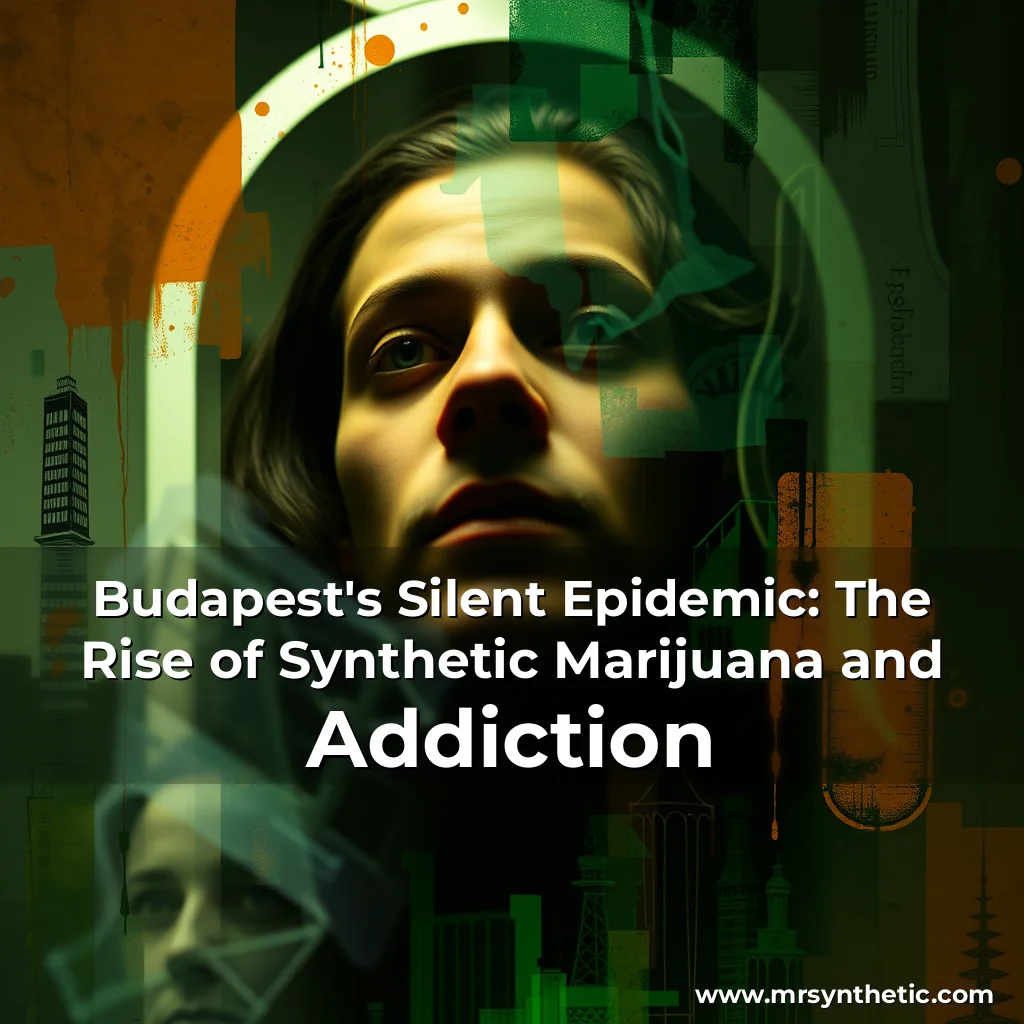
Synthetic marijuana, known locally as “herbál”, has become a disturbingly visible, cheap, and normalized problem in Budapest. Blikk’s investigation reveals a city struggling with a silent crisis that’s anything but hidden. The rise of synthetic marijuana
—————————–
Synthetic substances like “herbál” are becoming increasingly popular in Budapest, ravaging communities across the city. From Blaha Lujza Square to Józsefváros, users can be seen in broad daylight, often visibly intoxicated and semi-conscious in public spaces. • Common places where synthetic marijuana users are seen:
• Blaha Lujza Square
• Józsefváros
• Public parks and squares
• Near playgrounds, benches, and metro stations
Users often deny their addiction, but their vacant stares and erratic behavior reveal the truth. A city in crisis
—————-
Public parks and squares have become open-air stages for the drug problem, with addicts congregating near playgrounds, benches, and metro stations. Despite regular police patrols and interventions, the cycle continues. Locals report that nights bring heightened danger, with addicts becoming aggressive or entirely unresponsive. Residents live in fear, and even regular commuters say they alter their routes to avoid run-ins with users or dealers. Anonymity and stigma
———————-
While some foundations and support centers exist for those seeking help, many addicts prefer anonymity, traveling from other districts to avoid recognition. In places like Népliget, dealers operate in plain sight, confident in their knowledge of legal grey areas. Social workers speak of a silent epidemic, where no one “does drugs” publicly, yet addiction is visible everywhere, and the stigma keeps users trapped in denial. A silent epidemic
——————-
Drug problems don’t go away. Two young men have told Blikk that entire apartment blocks in districts like Kőbánya and Józsefváros act as de facto drug dens. Former slum areas like the infamous Hős Street may be slated for demolition, but the people, and the drug problem, haven’t disappeared. As long as synthetic drugs remain cheap, profitable, and accessible, Budapest’s battle with addiction will persist in its parks, its underpasses, and its neighborhoods. A Cycle of Addiction
———————
The cycle of addiction is complex, but it’s clear that the rise of synthetic marijuana has contributed to the growing problem of addiction in Budapest. Budapest’s addiction crisis
—————————
The city’s addiction crisis is characterized by:
• High levels of addiction among vulnerable populations
• The normalization of drug use in public spaces
• The presence of dealers and addicts in residential areas
• The lack of effective support systems for those seeking help
A call to action
—————–
Budapest’s addiction crisis requires a comprehensive approach that addresses the root causes of the problem. We need to work together to:
• Increase funding for support systems and treatment centers
• Improve education and awareness about the dangers of synthetic marijuana
• Enhance police patrols and interventions in high-risk areas
• Encourage a culture of support and understanding for those struggling with addiction
Conclusion
———-
Budapest’s silent epidemic is a complex issue that requires a nuanced and multifaceted approach. By working together, we can break the cycle of addiction and build a safer, healthier community for all.

news is a contributor at MrSynthetic. We are committed to providing well-researched, accurate, and valuable content to our readers.