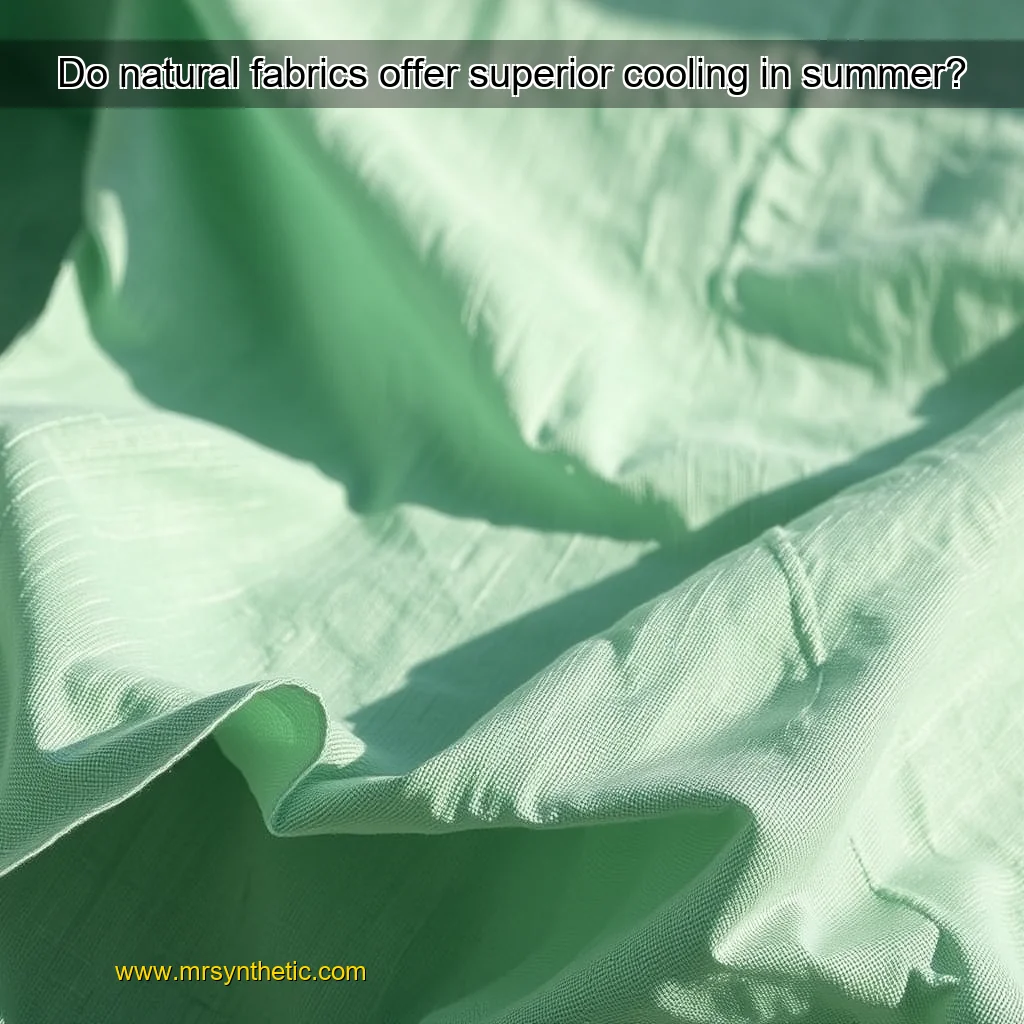
These fabrics are breathable, moisture-wicking, and quick-drying, making them perfect for hot weather. However, they can also be prone to wrinkles and creases, which can be a nuisance in the heat.
The Benefits of Natural Fibres
Natural fibres like cotton, linen, and silk are gaining popularity for their numerous benefits. Here are some of the advantages of wearing natural fibres in hot weather:
The Drawbacks of Natural Fibres
While natural fibres have many benefits, they also have some drawbacks.
Cellulose is a complex carbohydrate that is found in the cell walls of plants. It is a strong and versatile material that can be processed into a variety of forms, including yarns, threads, and fabrics.
The Science Behind Natural Fibres
Cellulose: The Primary Component of Plant-Based Fibres
Cellulose is a complex carbohydrate that is found in the cell walls of plants. Cellulose is made up of long chains of glucose molecules that are linked together by hydrogen bonds. This unique structure gives cellulose its strength and rigidity. The molecular structure of cellulose is responsible for its unique properties, including its ability to absorb and retain water.
Wool is also very good at regulating temperature. Wool is a natural insulator and can be used to make clothing that is warm in the winter and cool in the summer.
The Science Behind Wool’s Temperature Regulation
Wool’s unique properties make it an ideal material for clothing that needs to regulate temperature. The science behind wool’s temperature regulation is rooted in its molecular structure. Wool fibers are made up of a protein called keratin, which is hydrophilic on the inside and hydrophobic on the outside. This means that wool fibers are able to absorb and retain moisture, but also repel it.
This makes them unsuitable for use in clothing that requires moisture-wicking properties, such as activewear or swimwear.
The Problem with Synthetic Fibers
Synthetic fibers have become a staple in the textile industry due to their ease of production, durability, and affordability. However, their environmental impact and health concerns have raised questions about their sustainability. Environmental Impact:
- The production of synthetic fibers requires large amounts of petroleum, which contributes to greenhouse gas emissions and climate change. The manufacturing process also generates toxic chemicals, such as dioxins and furans, which can harm the environment and human health.
Dark colours absorb sunlight and can make you feel hotter.
You Might Also Enjoy: Synthetic Leather Market worth 93 25 billion by 2029 Exclusive Report by MarketsandMarketsThe Science Behind Breathable Fabrics
Breathable fabrics are designed to allow air to pass through, reducing the risk of overheating and discomfort. This is achieved through various techniques, including:
- Moisture-wicking properties: Fabrics that can draw sweat away from the skin and evaporate it quickly, reducing the risk of clamminess and discomfort. Porous structures: Fabrics with open weaves or mesh-like structures that allow air to pass through, promoting airflow and breathability. Natural fibers: Fabrics made from natural fibers such as cotton, linen, and bamboo, which are inherently breathable and moisture-wicking.
If the fabric allows a lot of light to pass through, it is likely to be an open weave fabric.
Understanding Open Weave Fabrics
Open weave fabrics are characterized by their loose, airy texture and the ability to allow for airflow. This is due to the way the threads are woven together, creating a more open structure that allows for better ventilation.
Types of Open Weave Fabrics
There are several types of open weave fabrics, including:
- Mesh fabrics: These are made from a single layer of threads that are woven together in a mesh-like pattern. They are often used in athletic wear and outdoor gear.
The Importance of Synthetic Fabrics in Wrinkle-Resistant Textiles
Synthetic fabrics have become an essential component in the production of wrinkle-resistant textiles. These fabrics are designed to minimize wrinkles and creases, making them ideal for various applications, including clothing, upholstery, and home textiles.
The Science Behind Wrinkle-Resistant Fabrics
Wrinkles occur when fibers in a fabric contract and relax, causing the fabric to pucker and crease. Synthetic fabrics, such as polyester and nylon, are made from long-chain molecules that are resistant to contraction and relaxation.
news is a contributor at MrSynthetic. We are committed to providing well-researched, accurate, and valuable content to our readers.
You May Also Like