Something was amiss.
The Mysterious Case of Ranveer Singh’s Lip Syncing
The incident sparked a heated debate among fans and critics alike, with many questioning the authenticity of the video. As the controversy unfolded, several factors came to light that raised suspicions about the video’s legitimacy.
The Suspicious Lip Movements
The Mechanical Voice
This marked a significant shift in the way Indian politics is conducted, with AI playing a pivotal role in shaping public opinion and influencing voter behavior.
The Rise of AI-Driven Campaigning in Indian Politics
The 2024 general election in India was a watershed moment for AI-driven campaigning, with political parties embracing the technology to reach a vast and diverse audience. The use of AI-generated content, including videos, images, and audio clips, became increasingly prevalent, allowing parties to create personalized and engaging messages that resonated with voters. Key features of AI-driven campaigning in the 2024 election included: + Synthetic media creation: Political parties used AI algorithms to generate high-quality, realistic content, such as videos and images, that were indistinguishable from human-created material. + Personalized messaging: AI-powered tools enabled parties to create tailored messages that addressed specific voter demographics, interests, and concerns. + Emotional engagement: AI-driven content was designed to evoke emotions, such as empathy and nostalgia, to create a deeper connection with voters.
The Impact of AI-Driven Campaigning on Indian Politics
The widespread adoption of AI-driven campaigning in the 2024 election had a profound impact on Indian politics. The technology allowed parties to reach a vast and diverse audience, creating a more inclusive and representative campaign. Key effects of AI-driven campaigning on Indian politics include: + Increased voter engagement: AI-generated content helped to increase voter engagement, as voters were more likely to interact with personalized and engaging messages. + Shift in public opinion: AI-driven campaigning played a significant role in shaping public opinion, with parties using the technology to create and disseminate information that resonated with voters.
The Rise of AI-Generated Disinformation
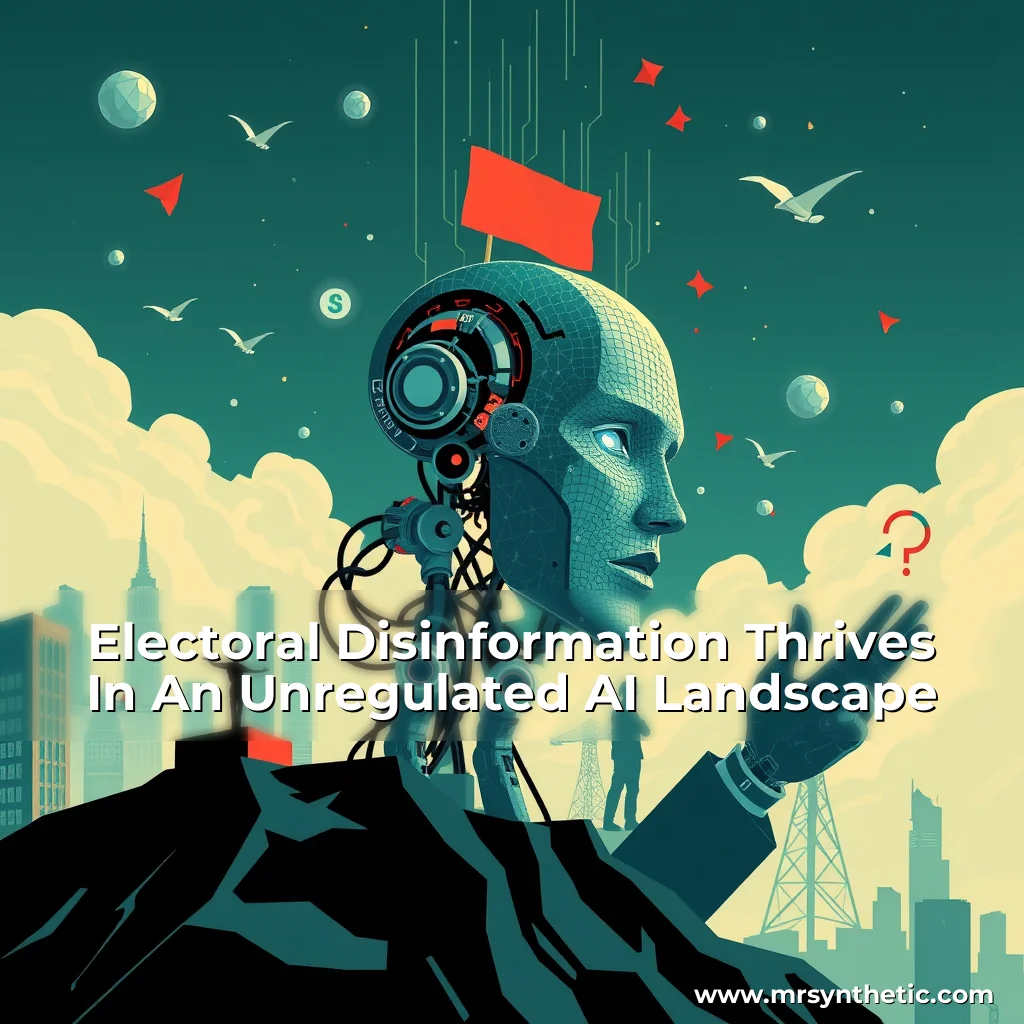
The increasing use of artificial intelligence (AI) in social media platforms has led to a significant rise in AI-generated disinformation. This phenomenon has been observed in various parts of the world, including India, where the Delhi elections saw a surge in AI-driven disinformation cases. AI-generated audio clips, images, and videos have been used to spread false information and manipulate public opinion. The use of AI algorithms to create convincing fake news stories, deepfakes, and manipulated audio clips has become increasingly sophisticated. Social media platforms have struggled to keep up with the rapid pace of AI-generated disinformation, leading to a rise in cases of election fraud and other forms of misinformation.
The Impact on Delhi Elections
The Delhi elections witnessed a significant increase in AI-generated disinformation cases, with multiple FIRs filed against the Aam Aadmi Party (AAP).
The company has worked with prominent clients such as the Indian government, the Indian Army, and several major corporations.
The Rise of Deepfake Technology
Deepfake technology has been gaining traction in recent years, with its applications extending beyond the realm of entertainment and into the world of politics and business.
The ECI’s response to the spread of disinformation was criticized for being inadequate.
The Rise of AI-Generated Disinformation
The use of artificial intelligence (AI) in generating disinformation has become increasingly prevalent in recent years. This phenomenon has been fueled by the rapid advancement of AI technology, which has made it easier for individuals and organizations to create convincing and realistic content.
The Need for Regulation
The rise of deepfakes has sparked a heated debate about the need for regulation in the digital age. As AI-generated content becomes increasingly sophisticated, the potential for misinformation to spread rapidly and undetected has grown exponentially. The MCA’s initiative to establish the DAU is a crucial step towards mitigating this threat.
The Challenges of Deepfakes
Deepfakes, a type of synthetic media, can be incredibly convincing, making it difficult to distinguish between real and fake content. This has significant implications for the spread of misinformation, as false information can be disseminated quickly and with great impact. The challenges of deepfakes include:
The Intersection of India and the European Union’s Digital Spheres
Abhishek Roy Choudhury, a renowned expert in the field of digital governance, has dedicated his research to understanding the complex dynamics between India and the European Union’s digital spheres. His work focuses on the challenges posed by disinformation, foreign interference, and the need for effective policy responses.
Challenges of Disinformation
Disinformation has become a significant concern in the digital age, with its impact felt across the globe. In the context of India and the European Union, disinformation can take many forms, including fake news, propaganda, and manipulated data. These tactics can be used to influence public opinion, sway elections, and undermine trust in institutions. Key characteristics of disinformation: + Spread through social media platforms + Often used to manipulate public opinion + Can be difficult to detect and track + Can have significant consequences for democracy and public health
Foreign Interference
Foreign interference in the digital sphere is another pressing concern. This can take the form of hacking, cyber-attacks, or the use of social media bots to influence public opinion. The European Union and India are not immune to these threats, and their digital infrastructure is vulnerable to exploitation. Types of foreign interference: + Hacking and cyber-attacks + Use of social media bots + Election interference + Espionage
Policy Responses
The European Union and India are taking steps to address the challenges posed by disinformation and foreign interference.

news is a contributor at MrSynthetic. We are committed to providing well-researched, accurate, and valuable content to our readers.