Industry Reactions Mixed
Food manufacturers have been weighing the implications of the new regulations and taking steps to adapt. Some are reformulating their products to comply with the new standards, while others are exploring alternative colorants.
- Tastykake’s Kandy Kakes and more: Several treats by Tastykake feature dyes impacted by the recent ban initiative.
- Hershey’s Twizzlers and Jolly Ranchers: Multiple candies made by Hershey’s use Red No. 40 for their intense red and pink hues.
- Just Born’s Peeps, and more: The United States’ most beloved Easter candy may need to reformulate once again.
- Water ice: Whether a water ice contains artificial coloring depends on the company and manufacturer.
- Whiz: Some of the brightest nuclear yellow cheese spread products are free of the synthetic dyes being phased out.
Impact on Philly Snacks
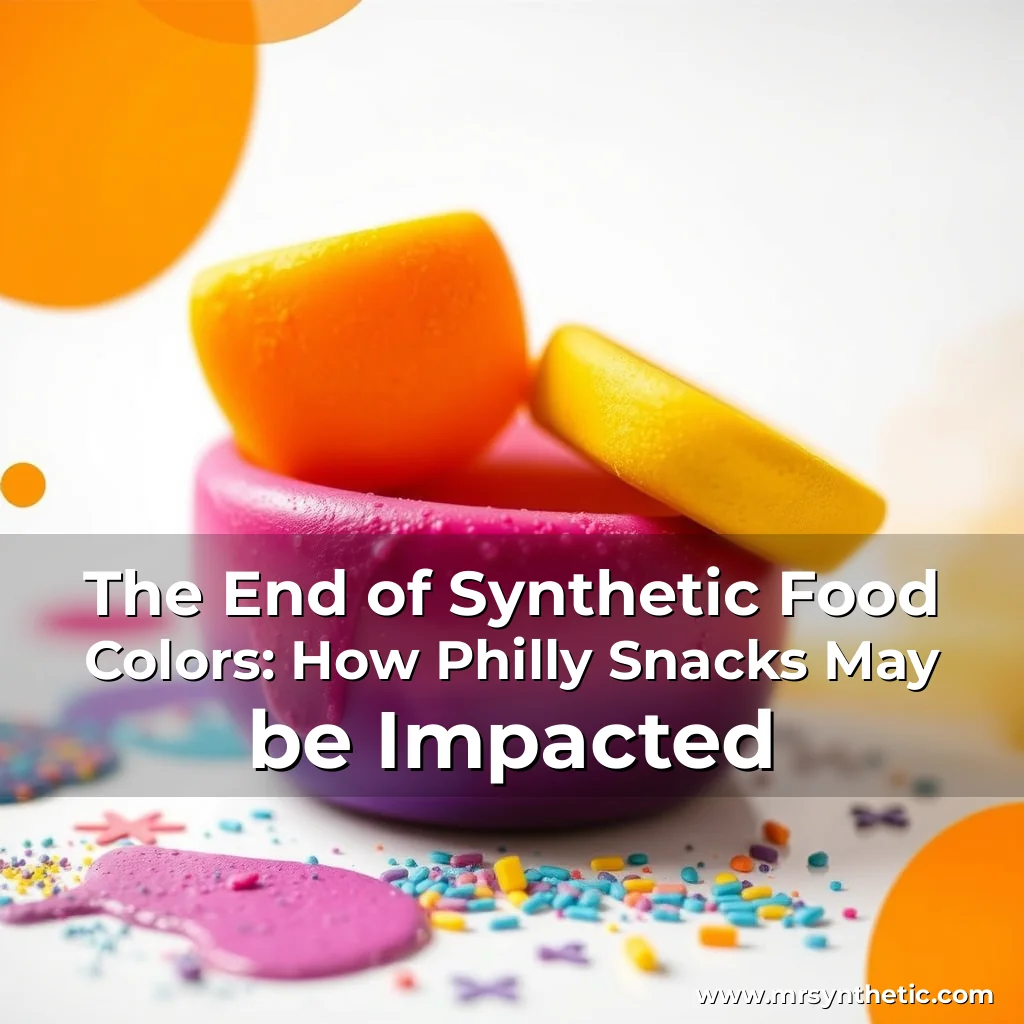
Philly snacks could be impacted by the ban on eight synthetic food colorings and dyes. The most noticeable effects may be seen in products like Kandy Kakes and Twizzlers, which feature prominent red and pink hues. Just Born, the company behind Peeps, has already adjusted its recipe to omit Red Dye No. 3, but other products may still use the banned dyes. The ban on synthetic dyes could also impact the production of water ice, which may incorporate artificial coloring into some flavors. However, it’s worth noting that not all water ice stands use synthetic dyes, and some local manufacturers may opt for natural alternatives.
Key Dyes Being Phased Out
The FDA currently allows 36 food color additives, including eight synthetic dyes. The dyes Kennedy and the FDA aim to phase out are:
- FD&C Blues No. 1 and 2
- FD&C Green No. 3
- FD&C Red No. 40
- FD&C Yellows No. 5 and 6
- Orange B
- Citrus Red No. 2
The Case of Whiz
Some of the brightest nuclear yellow cheese spread products, like Kraft’s Cheez Whiz and Easy Cheese spray cans, are free of the synthetic dyes being phased out. Both brands use colorants that are still considered artificial, but are derived from natural sources.
“The FDA’s decision to phase out synthetic food colorings is a significant step towards a healthier food supply,” said Marty Makary, Food and Drug Administration Commissioner.
Timeline and Next Steps
The FDA has established a standard and timeline for the industry to switch to natural alternatives. The agency will revoke authorization for dyes not in production within the coming weeks and take action to remove remaining dyes on the market. The goal is to eliminate the synthetic dyes by the end of 2026.
Conclusion
The ban on synthetic food colorings is a significant development in the quest for a healthier food supply. While some Philly snacks may be impacted, the long-term benefits of reducing artificial coloring in food are undeniable. As the industry continues to adapt to the new regulations, it will be interesting to see how companies respond to the challenge.

news is a contributor at MrSynthetic. We are committed to providing well-researched, accurate, and valuable content to our readers.